Ferry to England from Spain: Complete Guide to Travelling by Ferry
Destinations 9 Jul 2026

Travelling by ferry to England from Spain is a comfortable, flexible and relaxing way to start your holiday before you even reach your destination. Whether you're travelling with a car, motorbike, motorhome or simply as a foot passenger, the ferry allows you to enjoy the journey while crossing the Bay of Biscay and arriving directly on the south coast of England.
Unlike other means of transport, travelling by ferry offers more space, greater luggage freedom and the possibility of taking everything you need for your trip. In addition, if you plan to explore England by road, disembarking with your own vehicle will allow you to travel with complete freedom from the very first moment.
In this guide, you'll discover the available routes from Spain, the arrival ports you can choose, what the onboard experience is like and what you should keep in mind before boarding.
Table of contents
- Why travel by ferry to England from Spain?
- Ferry routes between Spain and England
- Arrival ports in England
- What is the onboard experience like?
- Documents required to travel to England
- Tips for booking your ferry to England
- Which destination should you choose when arriving in England?
- Frequently asked questions about ferries to England from Spain
1. Why travel by ferry to England from Spain?
More and more travellers are choosing the ferry to cross from Spain to England thanks to the comfort it offers throughout the journey.
Its main advantages include:
- Travel with your car, motorbike or motorhome without having to rent a vehicle on arrival.
- Take more luggage without the usual airline restrictions.
- Enjoy spacious lounges, restaurants, shops and outdoor decks.
- Relax in private cabins during long-distance crossings.
- Travel with pets on pet-friendly routes.
- Make the journey part of your holiday.
In addition, ferries connect northern Spain directly with some of the main ports on England's south coast, avoiding long road journeys once you arrive.
2. Ferry routes between Spain and England
There are currently direct ferry connections between Spain and England, making it easy to reach the south of the country.
Santander – Plymouth Ferry
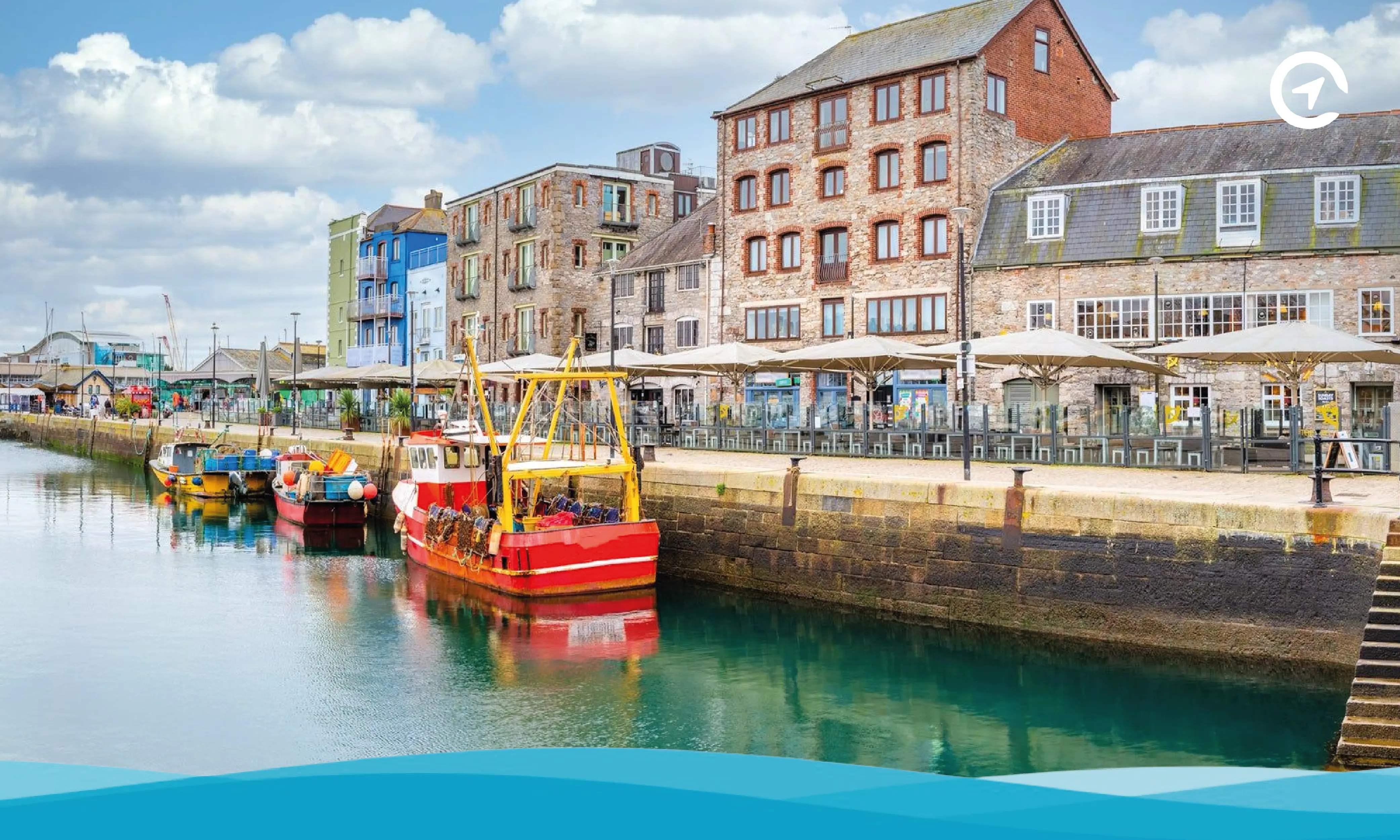
The Santander–Plymouth route connects Cantabria with the county of Devon, making it an excellent choice for travellers wishing to explore south-west England or continue towards Cornwall.
From Plymouth, you can also easily reach Dartmoor National Park and numerous coastal towns.
Book your ticket: Santander – Plymouth Ferry.
Santander – Portsmouth Ferry
Another of the most popular routes is the one connecting Santander with Portsmouth.
Thanks to its excellent location, Portsmouth provides easy access to London, Brighton, Southampton and the Isle of Wight, making it one of the UK's main gateways.
Book your ticket: Santander – Portsmouth Ferry.
Bilbao – Portsmouth Ferry
If you're travelling from the Basque Country, the Bilbao–Portsmouth connection is particularly convenient.
This route provides direct access to southern England while avoiding long road journeys and making it easy to travel with your own vehicle.
Book your ticket: Bilbao – Portsmouth Ferry.
Other ferry connections to England via France
If your itinerary includes a stop in France, you can also easily reach England via several ferry connections.
Available routes include:
- Plymouth – Roscoff
- Plymouth – St Malo
- Portsmouth – Caen
- Portsmouth – Cherbourg
- Portsmouth – Le Havre
- Portsmouth – St Malo
- Poole – Cherbourg
These alternatives allow you to combine a road trip through France before continuing to the United Kingdom.

3. Arrival ports in England
Choosing the right port depends on the type of trip you want to take and the region you wish to visit.
Portsmouth
Portsmouth is one of the most important ports on England's south coast and one of the main gateways for travellers arriving from Spain.
Its location provides easy access to London, the south coast of England and numerous tourist destinations.
Its main attractions include:
- The historic naval dockyard.
- The Spinnaker Tower.
- Gunwharf Quays.
- Maritime museums.
- Excellent road and rail connections.
If your goal is to explore southern or central England, Portsmouth is an excellent choice.
Plymouth
Located in the county of Devon, Plymouth offers privileged access to south-west England.
It is the ideal starting point for visiting:
- Cornwall.
- Dartmoor National Park.
- The Devon coastline.
- Small fishing villages.
- Atlantic beaches and cliffs.
In addition, the city preserves an important historical heritage linked to Britain's great maritime expeditions.
Poole
Poole is another strategic port located on England's south coast.
Although connections from Spain usually involve a stopover in France, it is an excellent alternative for travellers wishing to visit Dorset, Bournemouth or the famous Jurassic Coast.

4. What is the onboard experience like?
Ferry crossings between Spain and England are designed to make your journey as comfortable as possible throughout the voyage. Depending on the vessel, you may find services such as:
Private cabins
Available in different categories so you can relax and sleep comfortably during the crossing.
Restaurants and cafés
A variety of menus, cafés, bars and spaces where you can enjoy your meals with sea views.
Shops
Many ferries feature onboard shops where you can purchase travel essentials, gifts or duty-free items depending on the route.
Outdoor decks
The outdoor decks allow you to take a stroll, enjoy the scenery and watch the sunrise or sunset during the crossing.
Travelling with pets
Many routes allow pets on board, offering dedicated areas and different accommodation options.
Travelling with your vehicle
The ferry allows you to travel with:
- Car
- Motorbike
- Van
- Motorhome
- Bicycle
This allows you to explore England with complete freedom from the moment you disembark.
5. Documents required to travel to England
Before boarding, make sure you have all the required documentation.
In general, you will need:
- A valid passport.
- An Electronic Travel Authorisation (ETA), where required under current regulations.
- Your vehicle documentation if travelling by car.
- Valid motor insurance for driving in the United Kingdom.
- Your pet's health documentation if travelling with animals.
It is also worth remembering that in England you drive on the left-hand side of the road, so it is advisable to familiarise yourself with this before travelling.
6. Tips for booking your ferry to England
To enjoy the best possible experience, it is advisable to follow these recommendations:
- Book several weeks in advance, especially during the summer season.
- If your crossing is overnight, choose a cabin for a better night's sleep.
- Check all your documentation before travelling.
- Arrive at the port with plenty of time before departure.
- Review the conditions for travelling with pets or special vehicles.
Good planning will help you enjoy a smoother and more relaxing journey.
7. Which destination should you choose when arriving in England?
Portsmouth, ideal for...
- Visiting London.
- Discovering the south coast.
- Road trips through Hampshire.
- Combining city breaks and beaches.
Plymouth, ideal for...
- Exploring Devon and Cornwall.
- Hiking adventures.
- Enjoying stunning natural landscapes.
- Coastal road trips.
Poole, ideal for...
- Discovering Dorset.
- Visiting Bournemouth.
- Exploring the Jurassic Coast.
- Nature and beach holidays.

8. Frequently asked questions about ferries to England from Spain
Are there direct ferries between Spain and England?
Yes. There are direct ferry routes from Santander and Bilbao to several English ports.
Can I travel with my car?
Yes. Ferries allow you to travel with your car, motorbike, motorhome and other vehicles.
Can I travel with pets?
Many routes allow dogs and cats on board, provided they comply with the current regulations.
How long is the crossing?
The duration depends on the chosen route, although crossings generally take between around 20 and more than 30 hours.
How much luggage can I bring?
The conditions vary depending on the ferry operator, although travelling by ferry usually offers much greater flexibility than other means of transport.
Book your ferry to England from Spain
Travelling by ferry is a comfortable way to begin your holiday, enjoying the journey from the very first moment. Whether you are looking for a direct connection from Spain or prefer to combine your trip with a route via France, there are several options available to suit your itinerary.
Browse the available routes with Kikoto Ferries, compare schedules and choose the arrival port that best suits your trip to discover England with complete freedom.

Latest posts

Destinations 19 Sep 2026
Menorca in October: Complete Guide to Weather, Beaches and Things to DoGoing to Menorca in October? Discover the temperature, whether you can swim, what to pack and the best things to do. Complete guide + how to get there by ferry.
Read more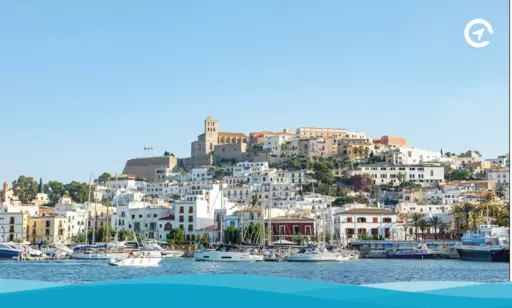
Destinations 19 Sep 2026
Ibiza in October: Complete Guide to Weather, Beaches, Parties and Things to DoIbiza in October: temperatures, open clubs, closing parties and the best things to do on the island. All the info + how to get there by ferry.
Read more
Destinations 7 Sep 2026
TUI Palma Marathon 2026: Guide to Taking Part and How to Get There by FerryGoing to the TUI Palma Marathon 2026? Discover the dates, distances, route, race number information and how to get to Mallorca by ferry with your car from Barcelona or Valencia.
Read more
Find and buy ferry tickets quickly
Are you in a hurry?
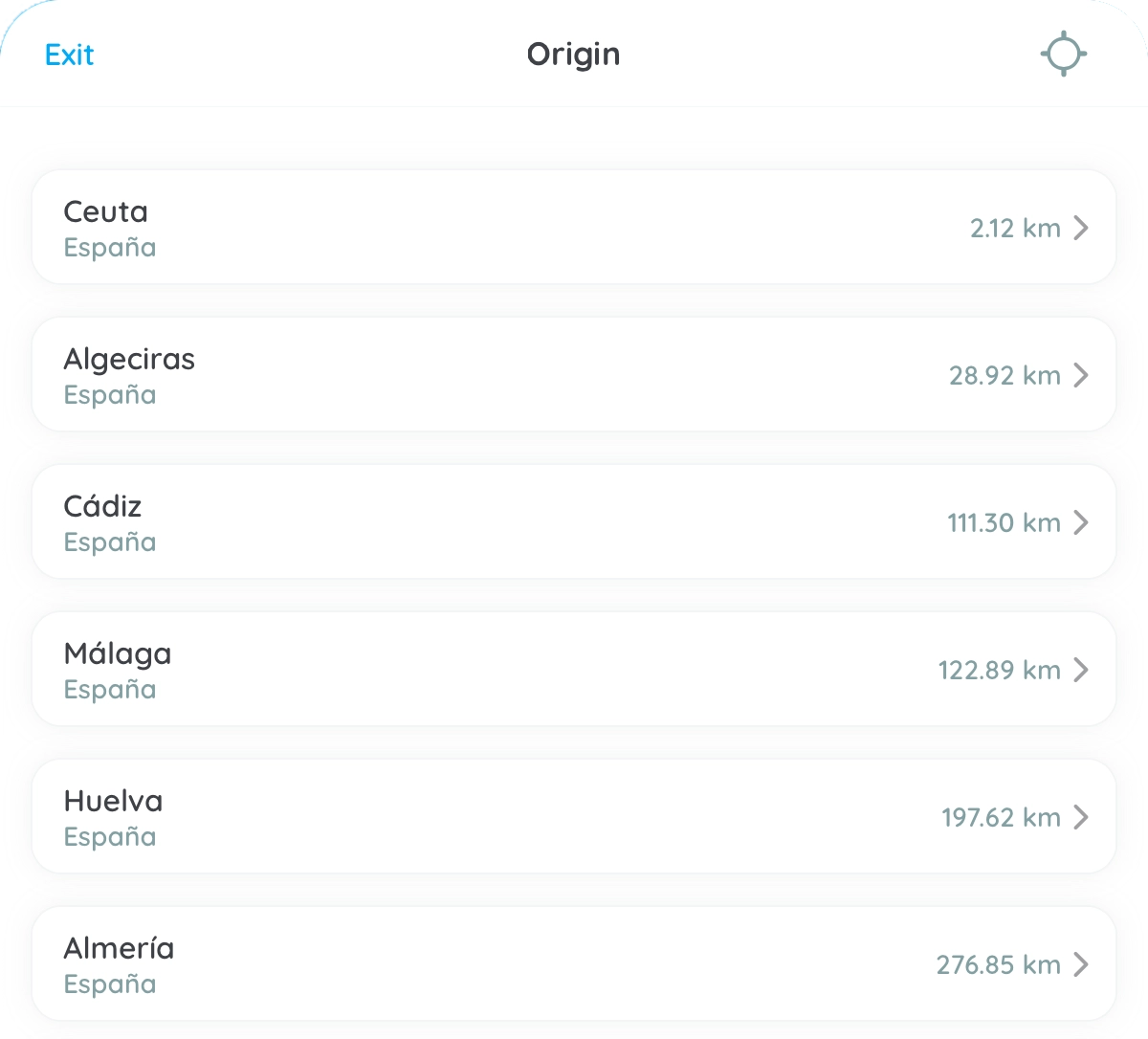
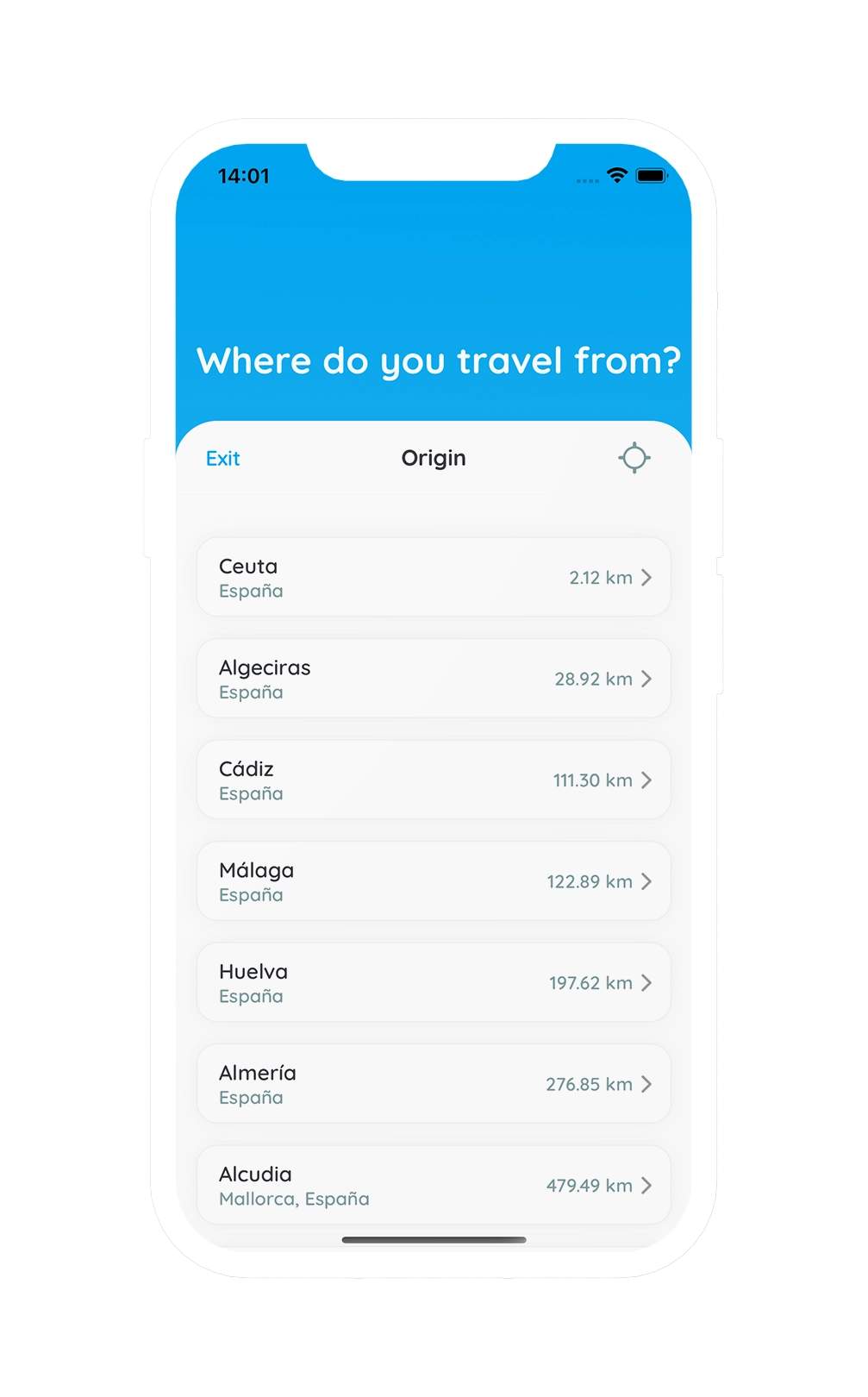
By activating the location, we transport you directly to the nearest ports, revealing imminent departures that are ready to set sail.
Book fast tripWhere are you departing from?
Download the Kikoto App
The fastest way to make and manage your ferry reservations.


Customer service
Visit our customer service page to find useful information about ferry travel, our frequently asked questions, and how to contact us for help with your reservation.