What to See in Southern England: Routes, Beaches and Charming Villages
Destinations 18 Jul 2026

The south of England is home to some of the country’s most varied landscapes: white-rock cliffs, fishing villages, ancient forests and cities with centuries of naval history, all within a short distance of one another and very well connected by road. It is one of the favourite regions for those travelling by ferry from Spain, as the main arrival ports —Portsmouth and Plymouth— are located right in the heart of the region.
Here is a selection of places that are truly worth a stop, and at the end we explain how to get there by ferry from Spain, with or without a car.
Table of contents
1. What to see in the south of England
Jurassic Coast (Dorset and Devon)
Declared a UNESCO World Heritage Site, the Jurassic Coast stretches for 154 km along cliffs that are more than 185 million years old. Its most iconic image is the stone arch of Durdle Door, next to the neighbouring Lulworth Cove, although it is also worth visiting Old Harry Rocks, near Studland, or strolling through the village of Lyme Regis, famous for its fossils. It is an ideal area to explore by car, with viewpoints and small coves along every stretch of road.
Isle of Wight
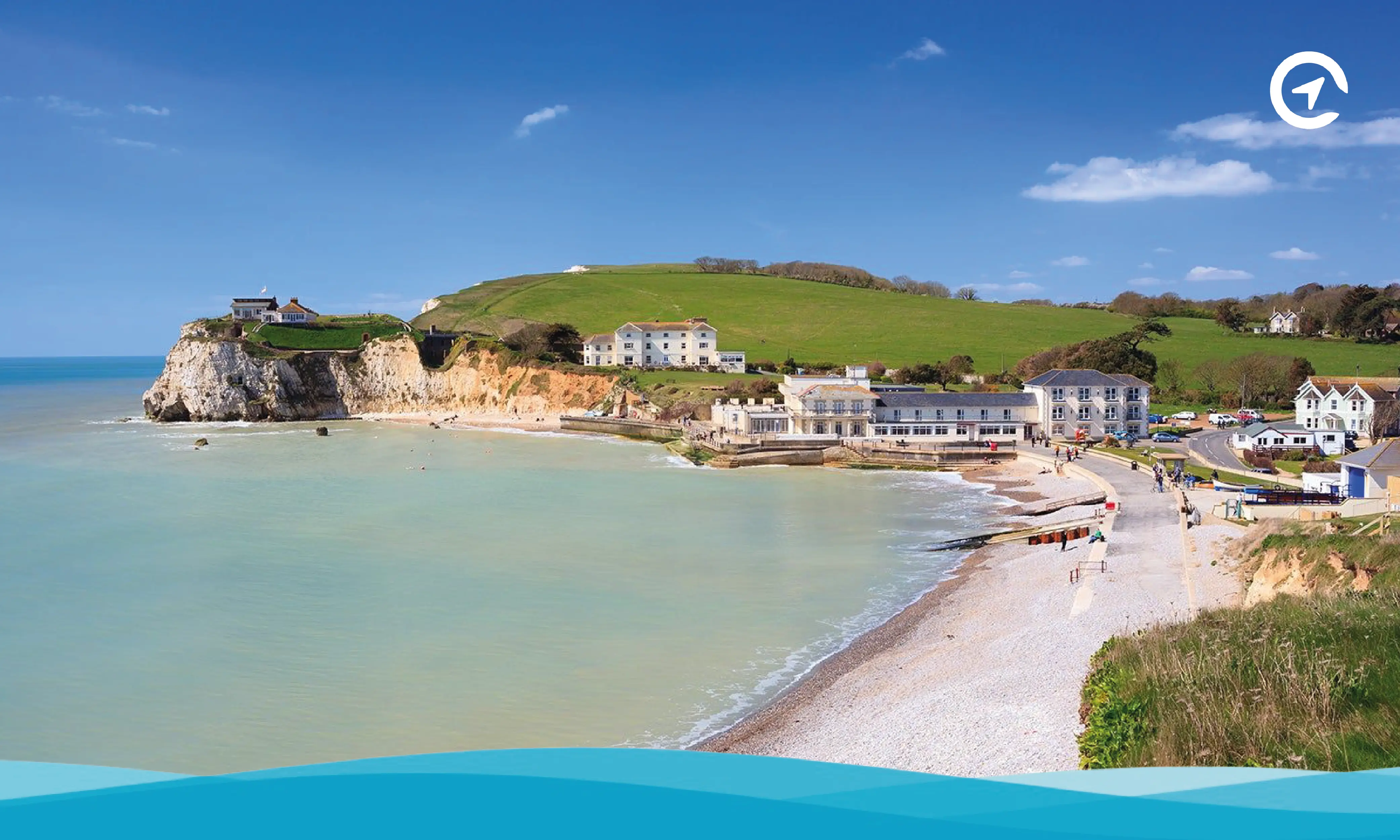
A short ferry journey from Portsmouth or Southampton, the Isle of Wight combines peaceful beaches, chalk cliffs and Victorian towns. Its most notable attractions are The Needles, a group of rock formations on the western side of the island with a chairlift down to the beach, and Osborne House, the former summer residence of Queen Victoria.
New Forest
Between Southampton and the Dorset coast lies New Forest National Park, a mosaic of forests, heathland and small villages where the famous wild ponies roam freely. It is the perfect place to switch off with walking or cycling routes and is easily accessible from both Portsmouth and Poole.
Portsmouth and its historic harbour
Beyond being a gateway from Spain, Portsmouth is well worth a visit in its own right. Its historic naval quarter, the Historic Dockyard with Nelson’s HMS Victory, and the Spinnaker Tower, offering views across the entire harbour, are essential stops before continuing your journey.
Stonehenge and Winchester
Less than an hour’s drive from the south coast is Stonehenge, the most famous prehistoric stone circle in the world. Nearby, the city of Winchester, the former capital of England, has an impressive Gothic cathedral and a historic centre that is perfect for a stroll.
Devon and Cornwall, from Plymouth
If your ferry arrives in Plymouth, you have direct access to the south-west of England: Dartmoor National Park, with its moorland and granite tors, and the fishing villages of Cornwall, with turquoise-water coves that surprise those who do not expect to find them in the south of England.

2. How to get to the south of England by ferry from Spain
The most convenient way to reach this area without going through airports or hiring a car is to travel by direct ferry from Spain. There are currently three routes connecting northern mainland Spain with the main ports in southern England:
- Santander – Plymouth Ferry: ideal if your plan is to focus on Devon, Cornwall and the Jurassic Coast. The crossing takes between 20 and 22 hours.
- Santander – Portsmouth Ferry: the most versatile option, with easy access to the Isle of Wight, New Forest, Stonehenge and London. It takes between 27 and 33 hours.
- Bilbao – Portsmouth Ferry: the best alternative if you are departing from the Basque Country or northern Castile and León, with the same destination as the previous route.
All these routes are operated by Brittany Ferries and always run overnight due to the length of the crossing, so booking a cabin is key to arriving well rested. With Kikoto Ferries, you can compare timetables, prices and availability for all three connections and book your ticket online.
Travelling with your own car
One of the great advantages of travelling by ferry to the south of England is being able to take your car, motorcycle or motorhome on board, allowing you to move freely between the Jurassic Coast, New Forest or Cornwall without relying on trains or buses.
Some points to keep in mind if you are travelling with a vehicle:
- Driving on the left: in the United Kingdom, traffic drives on the opposite side of the road to Spain, so it is advisable to be cautious during the first few kilometres, especially at roundabouts.
- Vehicle documentation: vehicle registration certificate, insurance valid for driving in the United Kingdom and, if the car is not yours, authorisation from the owner.
- Passport and ETA: in addition to a valid passport, you must have an Electronic Travel Authorisation (ETA) to enter the United Kingdom.
- Book in advance: spaces for vehicles are limited and sell out before foot-passenger spaces, especially in summer.
- Vehicle price: the cost of taking your car on board is added to the passenger fare and varies depending on the size of the vehicle, the date and the selected route.
Travelling by car is also the most practical way to make the most of such a long crossing: you arrive directly on the south coast of England with all your luggage and can begin your route through Dorset, Devon or Hampshire as soon as you disembark, without wasting time looking for transport.
With Kikoto Ferries, you can compare all the ferry options to England with a car and choose the departure and arrival ports that best suit your route through the south of the country.
Latest posts
Destinations 31 Aug 2026
Rosslare: What to See and 5 Must-Visit Places Near the PortWhat to see in Rosslare? Discover 5 must-visit places near the port and how to get there from Bilbao or Santander by ferry with your car.
Read more
Destinations 25 Aug 2026
What to See in Chefchaouen: Guide to Morocco’s Blue TownDiscover what to see in Chefchaouen, how to get there, what to do in the medina and how to visit the Akchour waterfalls. Plan your trip to Morocco!
Read more
Events 28 Jul 2026
Kikoto Ferries expands its international distribution through integration with PHPTRAVELSKikoto Ferries integrates with PHPTRAVELS to help travel agencies expand their portfolio with 160 ferry routes, 56 ports and the leading ferry operators.
Read more
Find and buy ferry tickets quickly
Are you in a hurry?
By activating the location, we transport you directly to the nearest ports, revealing imminent departures that are ready to set sail.
Book fast tripWhere are you departing from?
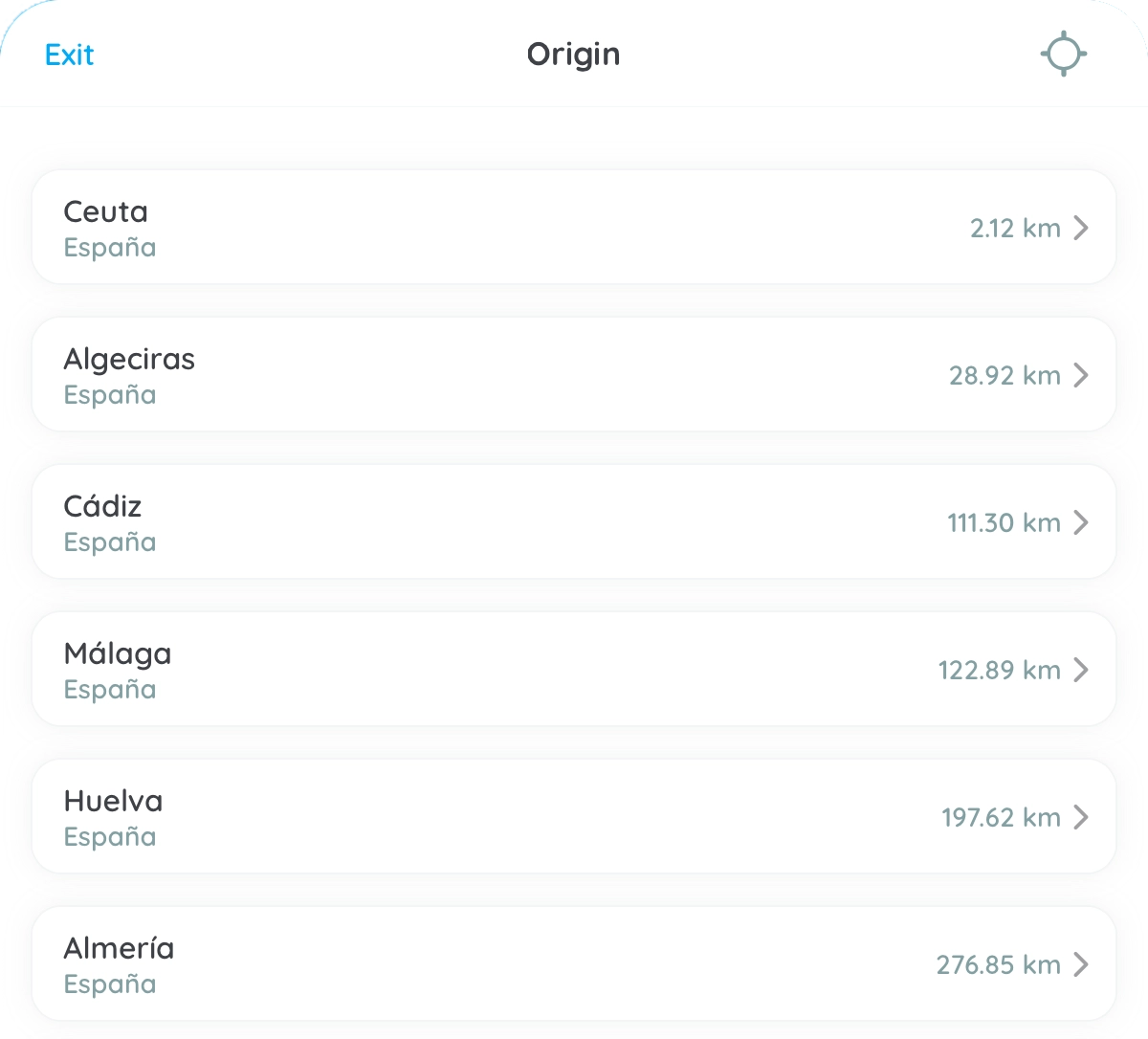
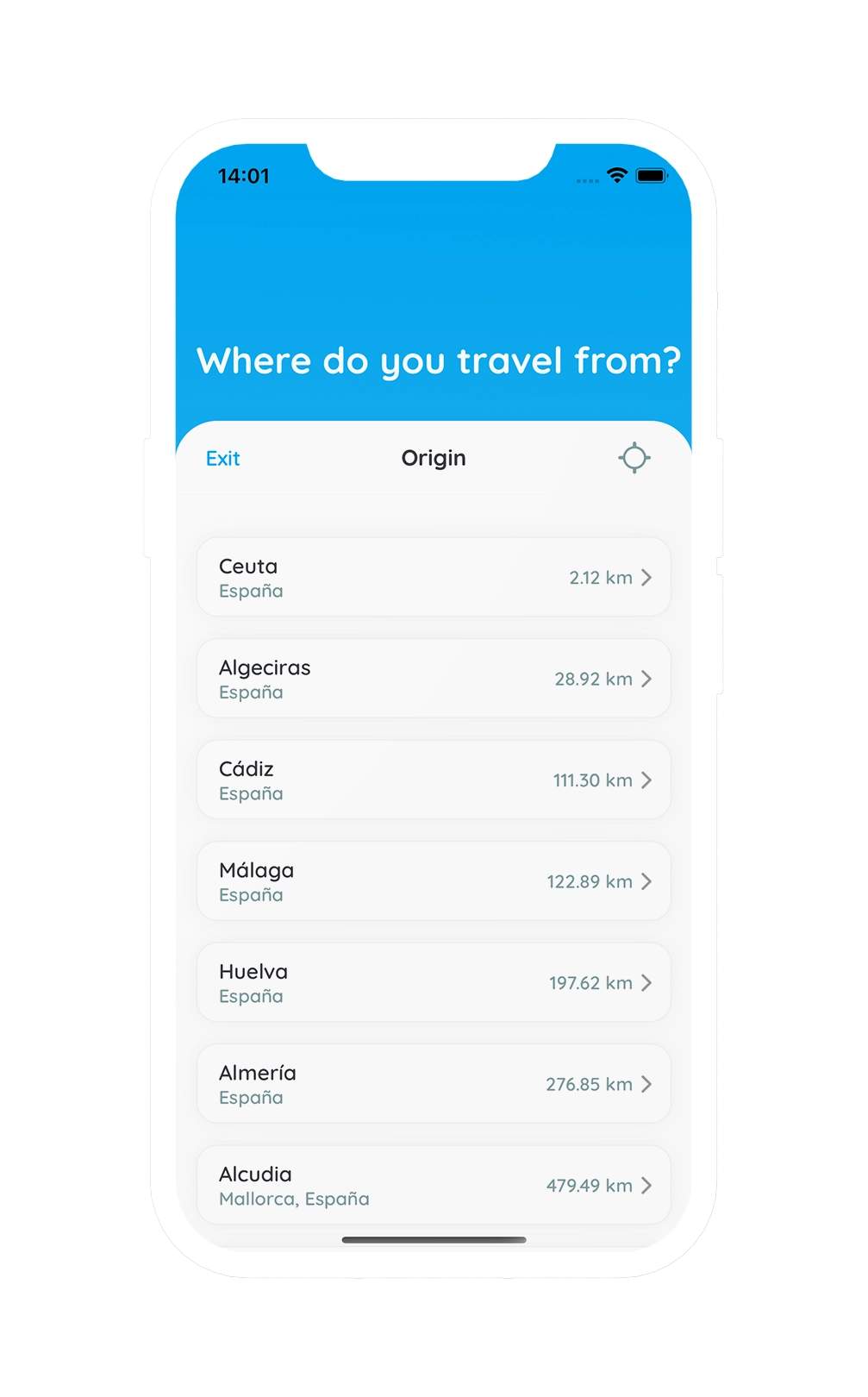
Download the Kikoto App
The fastest way to make and manage your ferry reservations.


Customer service
Visit our customer service page to find useful information about ferry travel, our frequently asked questions, and how to contact us for help with your reservation.